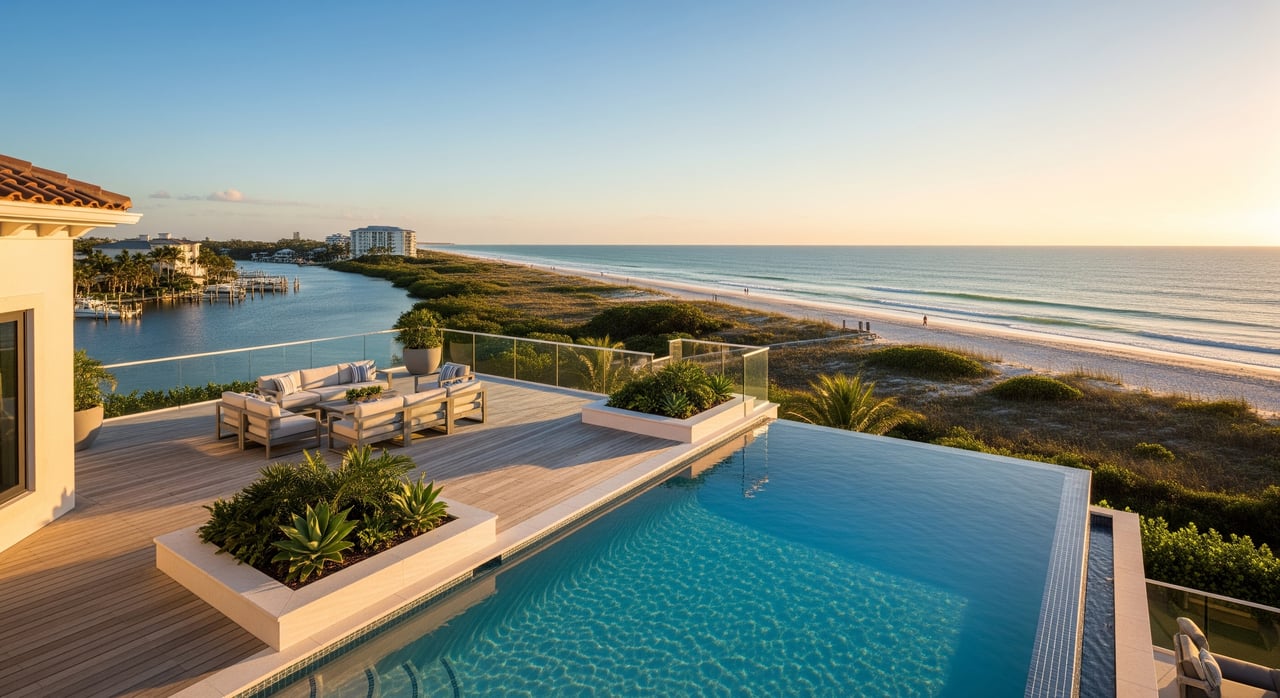
Torn between bay-side calm and gulf-front waves on Longboat Key? You’re not alone. Choosing your shoreline shapes your daily routine, boat time, and long-term maintenance. This guide breaks down the real differences so you can match your lifestyle with the right property and avoid costly surprises. Let’s dive in.
Longboat Key at a glance
Longboat Key sits between Sarasota Bay to the east and the Gulf of Mexico to the west. The Town of Longboat Key serves the island, while the north end falls under Manatee County and the south end under Sarasota County. County lines affect taxes, some permitting, and certain services.
The gulf side faces open water with wider sandy beaches, dunes, and direct sunset views. The bay side lines calmer waters with mangroves in places and connects into the Intracoastal and the broader Sarasota Bay system.
Boating and water access
Bay-side boating advantages
Bay-side homes often include seawalls and private docks where permitted. You get easier access to protected channels and the Intracoastal, which suits small to medium draft boats, kayaking, and year-round calm-water cruising. If time on the water is your priority, bay frontage with functional dockage can be a powerful value driver.
Gulf-side boating advantages
The gulf side offers direct access to open water for fishing and offshore runs. Many gulf-front condominiums do not include private dockage, so owners typically use nearby marinas or public ramps. Depending on vessel draft, you may still navigate passes or shallow bars to reach the open Gulf.
Marina and dock reality checks
- Verify deeded dock rights and any marina agreements before you fall in love with a view.
- Confirm permitted dock dimensions, boat length and height limits, and clearance under fixed bridges between your slip and open water.
- Ask about tidal ranges, shoaling, and recent dredging for your access channel. Document this before you make an offer.
- For shared docks or seawalls, review HOA documents to confirm maintenance responsibility and reserves.
Beach access and daily lifestyle
Gulf-side beach living
Gulf-front properties put you steps from dunes and wide sandy beaches, with classic horizon views and sunsets. Public access points and parks can draw more visitors, so expect more foot traffic near those entry points. Surf and shore conditions vary with weather.
Bay-side calm-water lifestyle
Bay-side properties lean into tranquil water views, wildlife sightings, and inshore activities like paddleboarding and kayaking. You’ll be closer to boat traffic and marina activity, which can bring occasional noise, but you avoid the typical beach-crowd flow.
Noise, privacy, and exposure
Gulf beaches can be busier near public access. Bay coves are calmer from a beach-crowd standpoint but may have boat noise at peak times. Salt spray and wind exposure are stronger on gulf-facing structures, affecting maintenance needs.
Property types and value drivers
What you’ll see on the Gulf
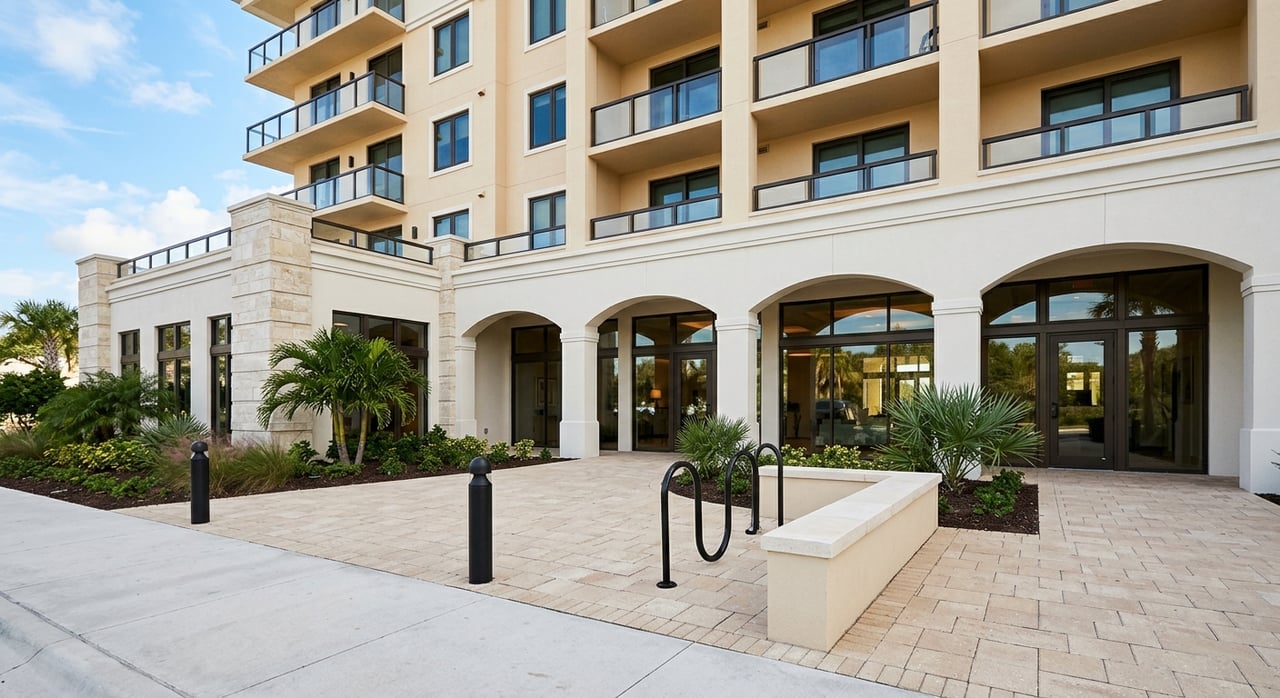
You’ll find low-rise and mid-rise beachfront condominiums, plus single-family homes on pilings and luxury developments. Deeded beach access is a common highlight for gulf-front condo communities.
What you’ll see on the Bay
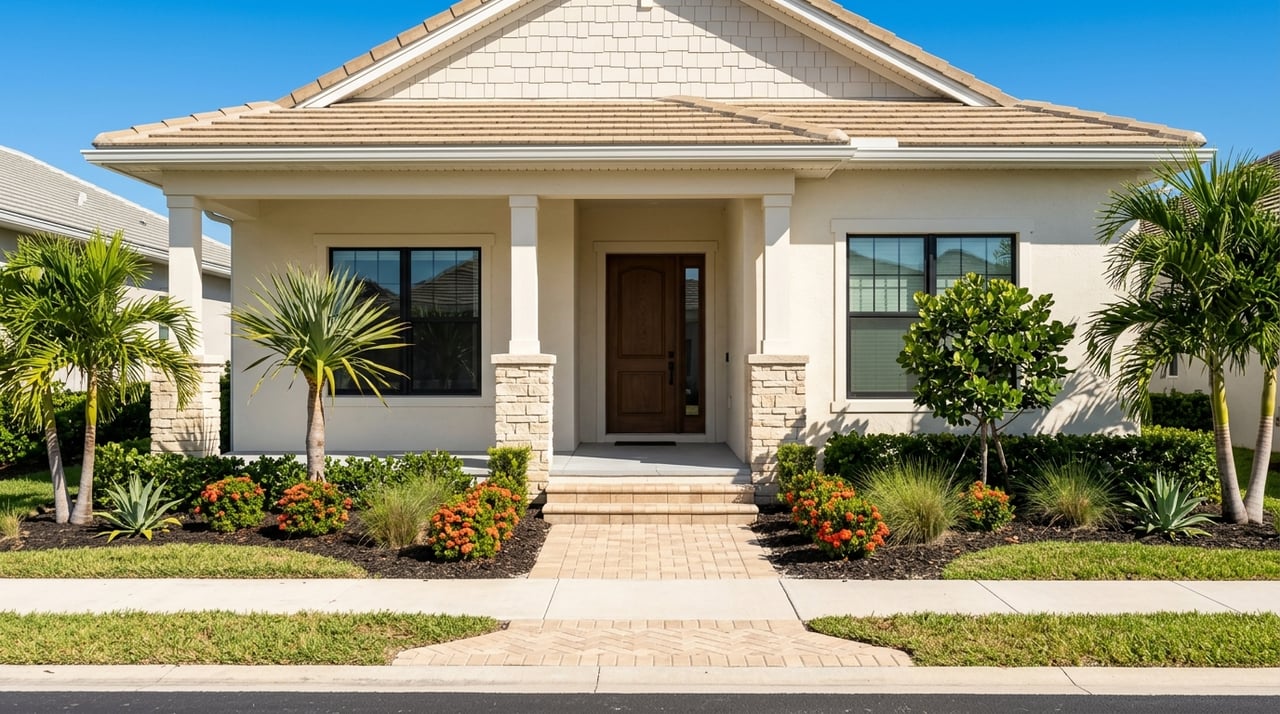
Bay-side areas include single-family homes with private docks and seawalls, along with townhomes and condos that feature marina or bay frontage. Lots are often deeper, with finger piers where allowed.
How views and access affect value
Waterfront views and direct access typically command premiums, but the magnitude depends on water type, private access, building condition, and supply. Gulf-front frontage is scarce and often carries higher per-square-foot pricing. Bay-front with functional dockage can meet or exceed those premiums for active boaters. To quantify current premiums, review recent comparable sales in the same building, block, and water orientation through the local MLS and recent regional reports.
Insurance, flooding, and maintenance
Flood zones and elevation
Much of Longboat Key falls within FEMA coastal flood zones, which can affect required flood insurance and premiums. Ask for elevation certificates early and review current flood maps for zone and base flood elevation.
Wind and salt exposure
Gulf-facing structures see more wind-driven salt spray, which can accelerate corrosion on metal components and require more frequent exterior maintenance. HVAC systems may work harder near exposed shorelines.
Seawalls and shoreline work
On the bay side, seawalls are critical. Ask for construction details, age, inspection reports, and recent repairs. Seawall work and dock projects typically require permits from the Town and county, and in some cases state or federal agencies. Confirm permit history and any open violations.
HOA vs single-family responsibilities
Condominium HOAs often manage exteriors, roofs, and common-area seawalls or docks. Review reserve funds, special assessments, and capital plans. Single-family owners handle their own seawalls, docks, and shoreline permits, so budget accordingly.
Smart search strategy
Pre-search checklist
- Confirm county location for your short list, since taxes and some permitting differ between Manatee and Sarasota.
- Pull the property’s flood zone and request an elevation certificate if available.
- Verify deeded beach access or private dock rights in writing.
- Review HOA covenants, financials, meeting minutes, and reserve studies.
- Gather recent comparable sales for the same building or shoreline orientation.
- Get preliminary insurance quotes from a coastal-experienced agent.
- Request seawall and dock inspection reports plus permit history.
Tour-day checklist
- View at morning and evening to compare sun, glare, and activity level.
- If boating is key, bring a boat or arrange a water tour to test navigation at different tides.
- Inspect docks and seawalls for deterioration, settlement, gaps, or rusted fittings.
- Confirm the quality and distance of beach access or the nearest boat ramp.
- Note proximity to public access points, marinas, restaurants, and road noise.
- Scan building exteriors for corrosion, stucco cracks, roof age, and storm protections.
- Near mangroves, check for seasonal odors or insect activity.
Useful MLS filters
- Waterfront type: separate searches for Gulf Front vs Bay/Intracoastal to compare options.
- Features: private dock, deeded beach access, seawall, and elevator for condos.
- Property type and build year: condo vs single-family, age, HOA fee range, and price range.
- Lot data: waterfront footage where available.
Which side fits you
If your ideal day starts with beach walks and ends with a sunset view, the gulf side may be your match. If you want to step from your patio onto a boat and explore calm channels, the bay side likely fits better. Many buyers choose a hybrid solution by pairing a gulf-view condo with a nearby marina slip, or a bay-front home with neighborhood beach access.
Your best fit depends on how often you expect to boat, how you use the beach, your tolerance for exposure and maintenance, and your preference for crowds versus quiet. Use the checklists above to prioritize what matters most, then test it in person at different times of day and tide.
Ready to compare specific buildings or streets and line up a by-water tour? Let’s align your lifestyle, budget, and maintenance comfort with the right shoreline, then verify the details before you write an offer. Connect with Annie Jordan for a personalized Longboat Key game plan.
FAQs
Can I dock a boat at a gulf-front condo on Longboat Key?
- Often no. Many gulf-front condominium communities were built without private dockage, so owners rely on marinas or ramps. Always verify deeded rights before you buy.
Is bay-side or gulf-side better for active boaters?
- Bay-side typically wins for protected-channel access, calmer waters, and private docks where allowed, while the gulf side favors quick access to open-water runs when you launch nearby.
Do gulf views always cost more than bay views?
- Not always. Gulf scarcity can push higher per-square-foot prices, but functional bay dockage can command equal or higher value for boat-focused buyers, so check local comps.
How do flood zones affect my purchase on Longboat Key?
- Flood zones influence insurance requirements and premiums. Ask for elevation certificates, confirm the FEMA zone and base flood elevation, and get quotes early.
What should I check on a bay-side seawall before making an offer?
- Request age, construction type, inspection reports, and repair history, and confirm permit records; seawall replacement is costly and typically the owner’s responsibility.