Looking for a condo lifestyle where dinner, a sunset walk, and a show can all fit into one easy evening? In Sarasota, that kind of routine is possible in a few key areas, but not every walkable neighborhood feels the same. If you are thinking about buying a condo here, it helps to understand how Sarasota’s downtown districts, bayfront spaces, and beach-adjacent pockets actually work day to day. Let’s dive in.
What walkable condo living means in Sarasota
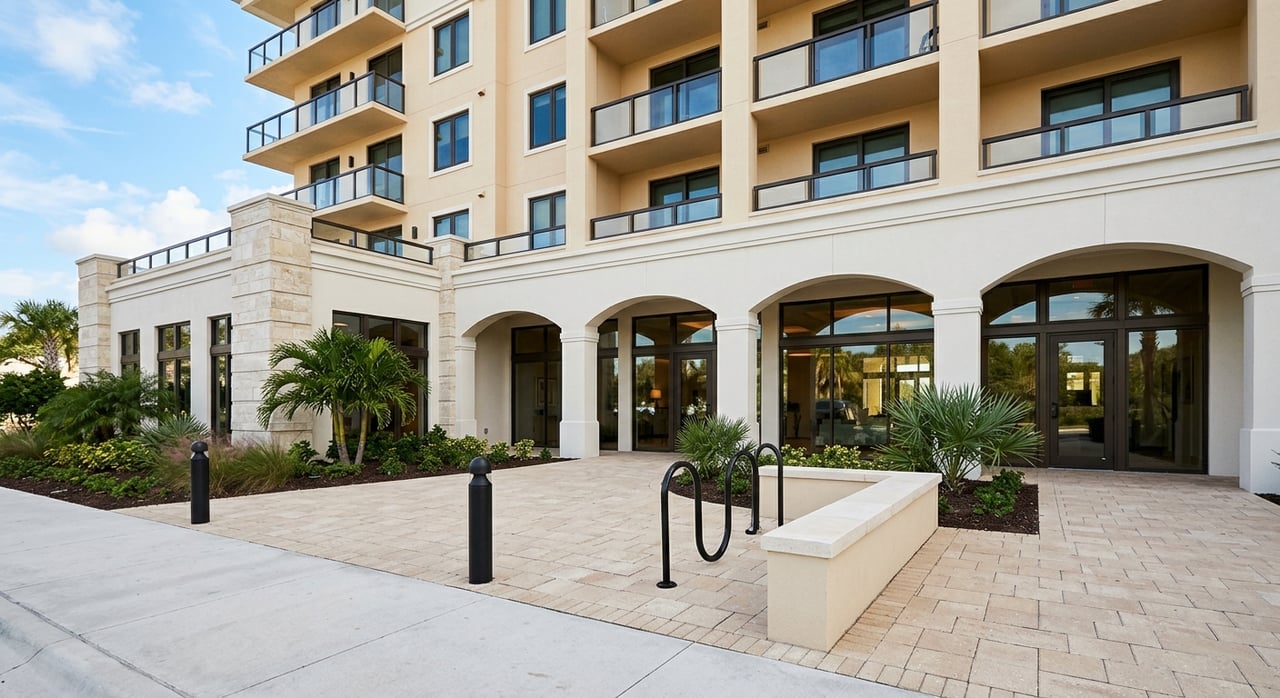
In Sarasota, walkable condo living is mostly concentrated in the city’s Downtown Core, Downtown Bayfront, and Urban Neighborhood areas. According to the City of Sarasota’s planning framework, these areas are designed around a compact, mixed-use pattern where homes, shops, workplaces, recreation, and civic spaces are close together.
That matters because “walkable” in Sarasota usually means you can do more in a smaller area. You may be able to leave your building, grab coffee, meet friends for dinner, stroll by the water, or catch a performance without planning a long drive across town.
The Downtown Core and Downtown Bayfront are especially set up for this kind of routine. The city allows mixed-use buildings, restaurants, retail, entertainment, cultural facilities, offices, civic uses, and open space in these districts, which helps create a true live-near-everything feel.
Sarasota neighborhoods with walkable condo appeal
Downtown Core and Main Street
If you want the most urban feel in Sarasota, the Downtown Core is usually where the conversation starts. Main Street and the Five Points area bring together restaurants, shops, events, and cultural venues in a compact setting that supports frequent short outings.
Main Street also hosts numerous events, fairs, festivals, and fundraisers throughout the year. The Downtown Sarasota Festival of the Arts stretches more than five city blocks and features over 200 artists, which gives you a sense of how active this area can feel.
For arts and performance lovers, downtown stands out even more. Florida Studio Theatre sits in the heart of downtown with five theatres and more than 230,000 live attendees annually, and Visit Sarasota County notes that there are 13 stages within one mile of downtown.
Downtown Bayfront
If your ideal condo lifestyle includes water views and outdoor time, the Downtown Bayfront has a different rhythm. Bayfront Park is a popular place to jog, watch sunsets, walk a leashed pet, or enjoy a picnic, and there are two bayfront restaurants on site.
This part of Sarasota blends recreation and culture in a very visible way. The city’s Bay Park Zone is intended to support parks, museums, galleries, cultural facilities, retail, and mixed-use development, which helps explain why the bayfront often feels social, scenic, and active at the same time.
For many buyers, this area offers a strong balance. You get access to downtown energy, but with a waterfront setting that can make everyday life feel a little more relaxed.
Rosemary District and nearby historic pockets
The Rosemary District offers a different flavor of walkability. Visit Sarasota County describes it as one of the city’s most historic neighborhoods, and it is also experiencing strong revitalization with restaurants and creative energy.
The City of Sarasota also treats Rosemary and Burns Court/Herald Square as distinctive downtown neighborhoods where new development should be sensitive to historic resources and surrounding uses. In real life, that often translates into walkable areas that feel a bit more layered, with older street patterns, established character, and newer condo development mixed in.
If you like the idea of being close to downtown without feeling like you are in the center of everything, these areas may be worth a closer look. They can offer a more residential feel while still keeping daily conveniences nearby.
St. Armands Circle and Lido-adjacent living
For buyers who want walkability with beach access, St. Armands Circle stands out. City materials describe it as an open-air destination with more than 130 stores and restaurants within walking distance of each other, along with more than 140 boutiques and a short walk to Lido Beach.
This is a different kind of walkable lifestyle than downtown. Instead of an arts-and-business core, you get a beach-adjacent setting built around shopping, dining, and easy outdoor time.
It is also connected back to the city’s core by the free Bay Runner trolley. That route links downtown Sarasota, St. Armands Circle, Lido Beach, and Ted Sperling Park, which can make it easier to enjoy multiple areas without relying on your car for every outing.
What everyday life really feels like
In Sarasota, condo living often feels walkable in a practical, social way rather than a fully car-free one. Many residents can pair everyday activities like dinner, a show, a park visit, or a waterfront walk because downtown arts venues, Bayfront Park, and St. Armands and Lido are tied together by a dense core and the free Bay Runner trolley.
That setup can make life feel lighter and more spontaneous. Instead of saving plans for the weekend, you may find yourself heading out for shorter, easier outings during the week.
At the same time, most people still think about driving as part of daily life. Sarasota’s layout, parking systems, and regional geography mean that a car is still useful for errands, appointments, and trips outside the downtown and barrier-island corridor.
Why parking still matters
Even in walkable parts of Sarasota, parking is part of the condo conversation. The city notes that the 2nd Street and Whole Foods garage is convenient to the Downtown Core, Rosemary District, and 5 Points Park, and both downtown and St. Armands rely on a mix of meter parking and city garages.
The city also offers residential parking permits for people living within 1,000 feet of the permit area. That may be relevant depending on where you buy and how your building handles resident and guest parking.
For condo buyers, this is a good reminder that walkability is not just about what is nearby. It is also about how easily you can manage the times when you do need a car.
Important condo checks before you buy
In Florida, condo due diligence is more important than ever. Residential condominium and cooperative buildings with three or more habitable stories are subject to milestone inspection rules at 30 years of age, or 25 years in some local circumstances, and residential condo associations with three or more habitable stories must complete a Structural Integrity Reserve Study at least every 10 years after creation.
If reserves are not adequate, associations may need assessments or financing to meet the funding plan. That means the monthly condo fee is only one part of the financial picture.
Florida law also requires important buyer disclosures. Prospective purchasers are entitled to core documents including the declaration, articles, bylaws, annual financial statement and budget, plus the milestone-inspection summary and the most recent reserve study, or a statement that no study has been completed.
Before you fall in love with a view, review the basics carefully. A smart condo review should include:
- Declaration and bylaws
- Association rules
- Annual budget and financial statement
- Milestone-inspection summary
- Most recent reserve study, if completed
- Parking rules and guest parking details
- Rental limitations
- Flood-zone location
- Evacuation planning information
Flood and hurricane planning for bayfront living
If you are considering a bayfront or coastal condo, walkability is only part of the lifestyle equation. The City of Sarasota provides flood-zone information, and Sarasota County offers evacuation-level lookup tools and hurricane-preparedness resources.
These checks are worth doing early. They can help you understand how a specific building fits into your comfort level, your planning needs, and your long-term ownership costs.
For buyers comparing multiple properties, this step can also make your decision process clearer. Two condos may both offer great access to dining and the waterfront, but their flood and evacuation considerations may differ.
How Sarasota compares with Lakewood Ranch and Bradenton
If you are relocating within the region, it helps to know that Sarasota offers a different kind of convenience than nearby alternatives. Lakewood Ranch is amenity-rich, with more than 35,000 acres, more than 150 miles of trails, three town centers, more than 300 shops and restaurants, 600-plus events a year, and 13 community parks.
That lifestyle is convenient, but it follows a suburban master-planned format rather than Sarasota’s tighter downtown and bayfront grid. In other words, Lakewood Ranch gives you villages, plazas, and town centers, while Sarasota condo living tends to center on a more compact urban pattern.
Bradenton offers another different experience. Its downtown waterfront is anchored by Riverwalk, a 1.5-mile outdoor gathering place with a fishing pier, day docks, amphitheater, splash pad, playground, beach volleyball, and event plaza, along with civic events like the Downtown Bradenton Public Market and Music in the Park.
For some buyers, Sarasota feels more arts-and-bayfront focused, while Bradenton feels more centered on a riverwalk-style civic district. Neither is one-size-fits-all, which is why your ideal everyday routine matters so much when choosing where to buy.
Choosing the right Sarasota condo area
The biggest takeaway is simple: not all walkable Sarasota condos offer the same lifestyle. Downtown Core, Downtown Bayfront, Rosemary, Burns Court, and St. Armands and Lido each bring a different mix of culture, beach access, historic character, parking realities, and building age.
If you want the most restaurants and event energy at your doorstep, downtown may be the best fit. If you picture sunrise or sunset walks by the water, the bayfront may feel more natural. If you want beach access and shopping close together, St. Armands and Lido may move to the top of your list.
The best condo choice is usually the one that matches how you actually want to live, not just how you want a place to look online. If you want help sorting through Sarasota condo options and comparing them with nearby Gulf Coast communities, Annie Jordan can help you narrow the search with local, practical guidance.
FAQs
Can you live without a car in a Sarasota condo?
- Sometimes, especially for social outings in downtown, the bayfront, or St. Armands and Lido, but many residents still keep a car for errands, appointments, and trips beyond the core areas.
Are all walkable Sarasota condo neighborhoods the same?
- No. Downtown Core, Downtown Bayfront, Rosemary, Burns Court and Herald Square, and St. Armands and Lido each offer different blends of arts access, beach access, historic character, parking, and building age.
What should Sarasota condo buyers review first?
- Start with the declaration, bylaws, association rules, annual budget, financial statement, milestone-inspection summary, reserve study, flood-zone location, and any parking or rental restrictions.
What makes Downtown Sarasota condo living different?
- Downtown Sarasota combines mixed-use buildings, events, restaurants, and cultural venues in a compact area, which can make everyday life feel more urban and convenient.
Why does flood information matter for Sarasota condos?
- Flood-zone and evacuation details are especially important for coastal and bayfront buildings because they affect planning, risk awareness, and the overall ownership picture.