Trying to choose between an older home with character and a newer build with fewer question marks? In Bradenton, that decision is more than a style preference. You are also weighing design rules, maintenance needs, insurance questions, and flood risk that can vary by address. This guide will help you compare both paths so you can move forward with more confidence. Let’s dive in.
Why this choice feels different in Bradenton
Bradenton has a strong preservation story, but it also supports reinvestment and new construction. The city’s planning approach encourages conservation, rehabilitation, and preservation of existing housing while also allowing newer homes to fit alongside older architectural styles.
That matters because your choice is not simply old versus new. In Bradenton, you may be choosing between established historic character and a newer home designed to work within the city’s broader look and feel.
Where historic rules may apply
Bradenton has two city historic districts. One is in the downtown area around the Historic Courthouse, and the other is the old Village of Manatee near Manatee Avenue East and 9th Street East.
If a home is in one of those districts, exterior changes, signage, and some demolitions can require a Certificate of Appropriateness from the Architectural Review Board. In parts of Manatee County, Historical and Archaeological Overlay Districts can also trigger review before a building permit is issued.
For you as a buyer, this is important early in the process. If you already know you want to update windows, rework the front exterior, add features, or make other visible changes, you will want to confirm whether the property falls under these rules before you fall in love with the home.
What historic charm usually means
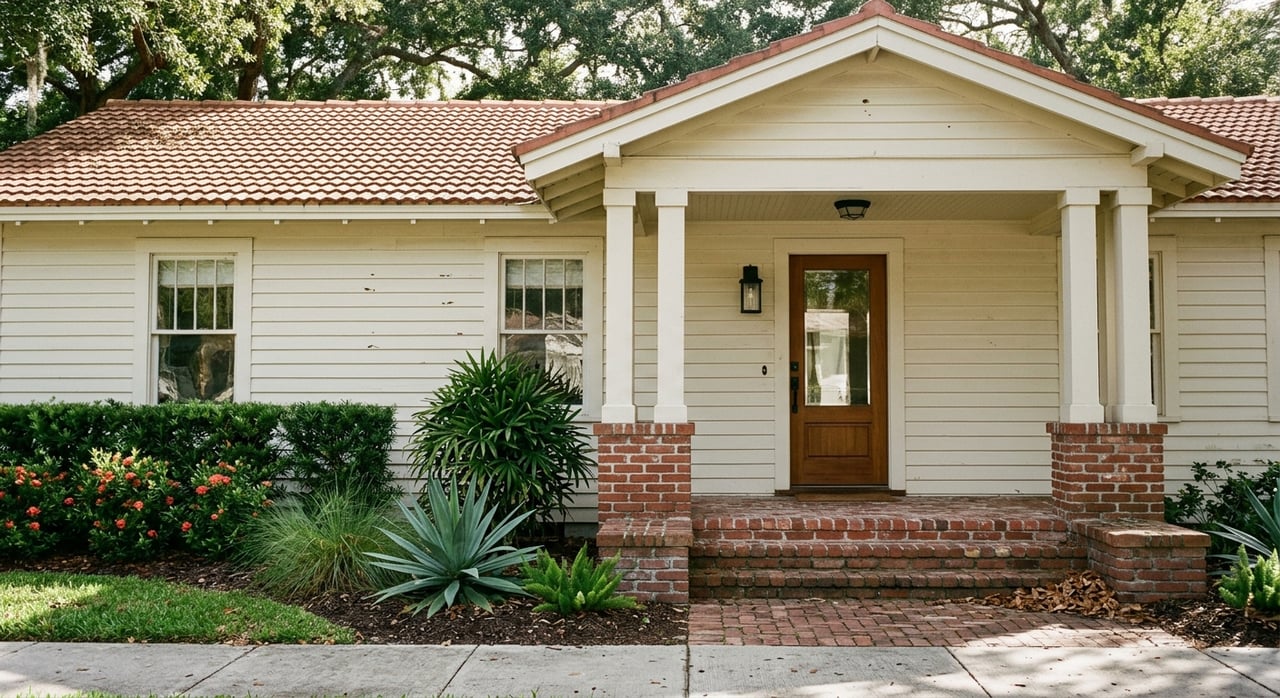
Older Bradenton homes often appeal to buyers who want personality, established streetscapes, and a stronger sense of place. The city’s preservation rules are aimed at design compatibility and visual coherence, which helps maintain the look of historic areas over time.
That can be a real benefit if you love distinctive architecture and neighborhood identity. Instead of a more uniform look, you may find details and streetscapes that feel layered, local, and hard to replicate.
The tradeoff is flexibility. Exterior projects can involve more review, and older homes also tend to require more careful maintenance planning over time.
What to expect with older-home upkeep
Buying an older home in Bradenton is not just about aesthetics. The city enforces the International Property Maintenance Code, Minimum Maintenance Standards, and land-use regulations, which means upkeep matters in a practical way, not just a cosmetic one.
That does not mean older homes are a bad choice. It means you should approach them with clear eyes and solid due diligence. If you are drawn to charm, make sure you are equally ready for the responsibilities that can come with an aging roof, older systems, and future exterior projects.
What newer construction can offer
New construction usually brings more predictability in the near term. Florida’s current posted code is the 8th Edition, 2023 Florida Building Code, effective Dec. 31, 2023, so newer homes are built under current state standards rather than older code cycles.
For many buyers, that can mean fewer immediate repair unknowns and a more straightforward first few years of ownership. If you are relocating, buying seasonally, or simply want less early maintenance friction, that can be a major advantage.
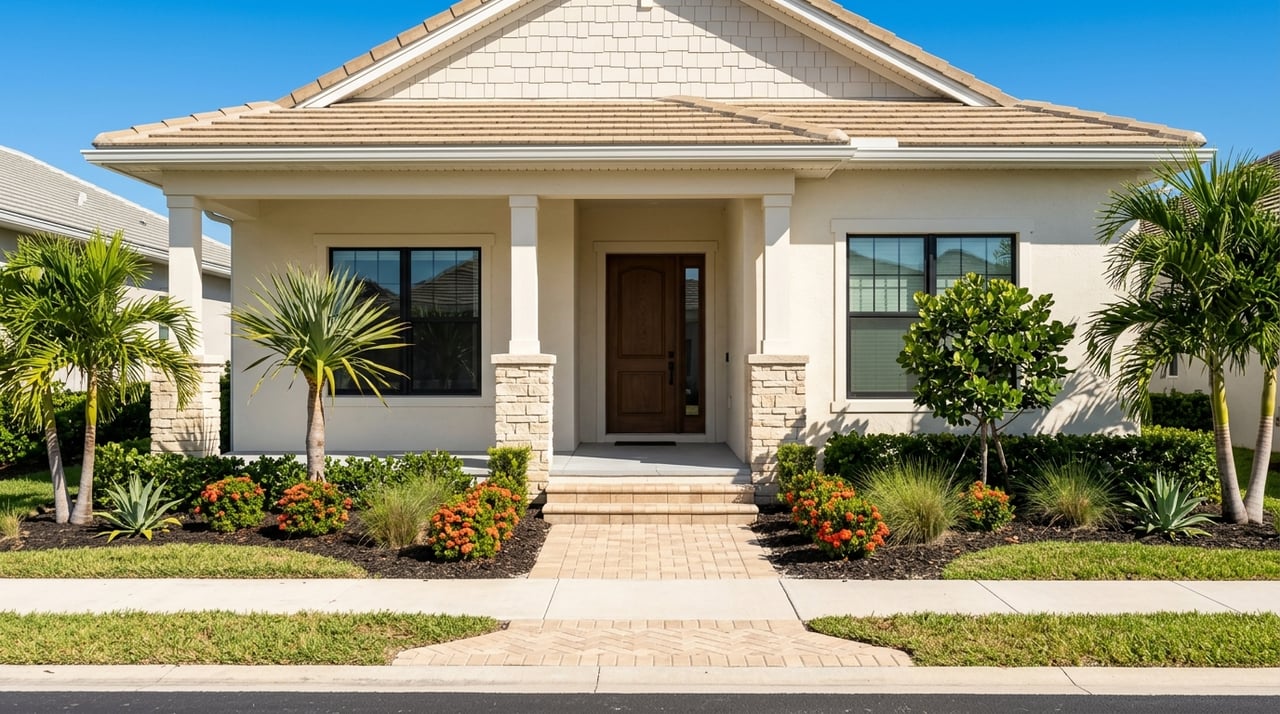
Newer homes can also still fit Bradenton’s local character. The city’s form-based code materials describe a Contemporary style intended to give builders freedom while still working alongside styles derived from older Bradenton buildings.
New builds are not always rule-free
A newer home does not automatically mean no review process. In Bradenton, planning and zoning can involve pre-application review and hearings with bodies such as the Development Review Committee, Planning Commission, Architectural Review Board, Tree Preservation Board, and City Council.
Larger infill or planned development projects may also require a Design and Compatibility Review, even outside the historic districts. So if you are considering new construction because you want total design freedom, it is smart to understand that local review can still shape the final result.
Insurance questions can differ sharply
One of the biggest practical differences between historic homes and newer builds is often insurance. Older homes usually require more scrutiny up front.
Citizens says homes more than 20 years old require a four-point inspection covering electrical, plumbing, HVAC, and the roof. Citizens also says roofs older than 25 years for soft roofs or 50 years for hard roofs need documentation showing at least five years of remaining useful life.
Wind mitigation can matter too. If qualifying wind-resistant features are documented, you may be able to qualify for premium discounts. That is one reason it helps to ask for existing reports early when you are considering an older property.
Flood risk matters for both options
Flood risk is separate from a home’s age and separate from standard homeowners coverage. FEMA states that most homeowners policies do not cover flood damage, and flood insurance rules can apply in Special Flood Hazard Areas.
If any portion of a building is in a Special Flood Hazard Area, FEMA says the building is treated as being in that zone for flood insurance and floodplain management purposes. For federally backed mortgages in high-risk zones, flood insurance is required.
In Bradenton and Manatee County, you can verify flood exposure by address. The county flood portal shows current and historic flood zones, and the floodplain office can provide written flood determinations, map excerpts, and elevation certificates if available.
This is why address-level research matters so much. A neighborhood’s reputation is not enough. The map is the better guide.
Historic charm vs new build at a glance
| Factor | Historic Home | New Build |
|---|---|---|
| Character | Often offers distinct architecture and established streetscapes | May offer a cleaner, more modern layout and finishes |
| Exterior changes | May require extra review in historic districts or overlay areas | May still face design review depending on project type |
| Maintenance | Often needs more ongoing planning and upkeep | Usually comes with fewer near-term repair unknowns |
| Code era | Built under older code cycles | Built under current Florida code standards |
| Insurance prep | Often needs more early documentation and inspections | May be more straightforward, depending on location and features |
| Flood risk | Must be checked by address | Must be checked by address |
How to choose the right fit for you
The best choice often comes down to your priorities. If you value uniqueness, preservation, and architectural personality, an older Bradenton home may feel worth the extra review and maintenance.
If you value predictability, current-code construction, and fewer immediate unknowns, a newer home may be the better match. Neither path is better for everyone. The right answer is the one that fits how you want to live and what level of complexity you are comfortable managing.
A smart Bradenton buyer checklist
Before you decide, keep this checklist handy:
- Confirm whether the property is in one of Bradenton’s historic districts or a Manatee County Historical and Archaeological Overlay District.
- Get the current and historic flood zone for the exact address, not just the community or subdivision name.
- Ask for the home’s age, roof age, and any available four-point or wind mitigation reports on older homes.
- Request an insurance quote early, since flood coverage is separate from homeowners coverage and underwriting can differ by age and condition.
- If you want a historic look with less near-term uncertainty, ask whether newer construction nearby can offer more traditional design details while still meeting city review standards.
When you are comparing Bradenton homes, the goal is not just finding the prettiest property online. It is finding the one that fits your budget, your comfort level, and your plans for the years ahead.
If you want help narrowing down older homes, newer construction, condos, or relocation options in Bradenton and the surrounding Sarasota-Manatee area, connect with Annie Jordan for personalized, local guidance.
FAQs
What should you check before buying a historic home in Bradenton?
- Confirm whether the home is in a city historic district or county overlay area, and ask what exterior changes may require a Certificate of Appropriateness.
How do newer homes in Bradenton differ from older homes?
- Newer homes are typically built under the current Florida code cycle, which can mean fewer near-term repair unknowns, though some projects may still be subject to local design review.
Does flood risk affect both historic homes and new builds in Bradenton?
- Yes. Flood risk should be checked by exact address for any home, because flood exposure is separate from age, style, and standard homeowners coverage.
Why do older Bradenton homes need more insurance review?
- Homes more than 20 years old may require a four-point inspection, and older roofs may need documentation showing remaining useful life.
Can you remodel a home in a Bradenton historic district?
- Possibly, but exterior changes, signage, and some demolitions may require review and a Certificate of Appropriateness before work moves forward.