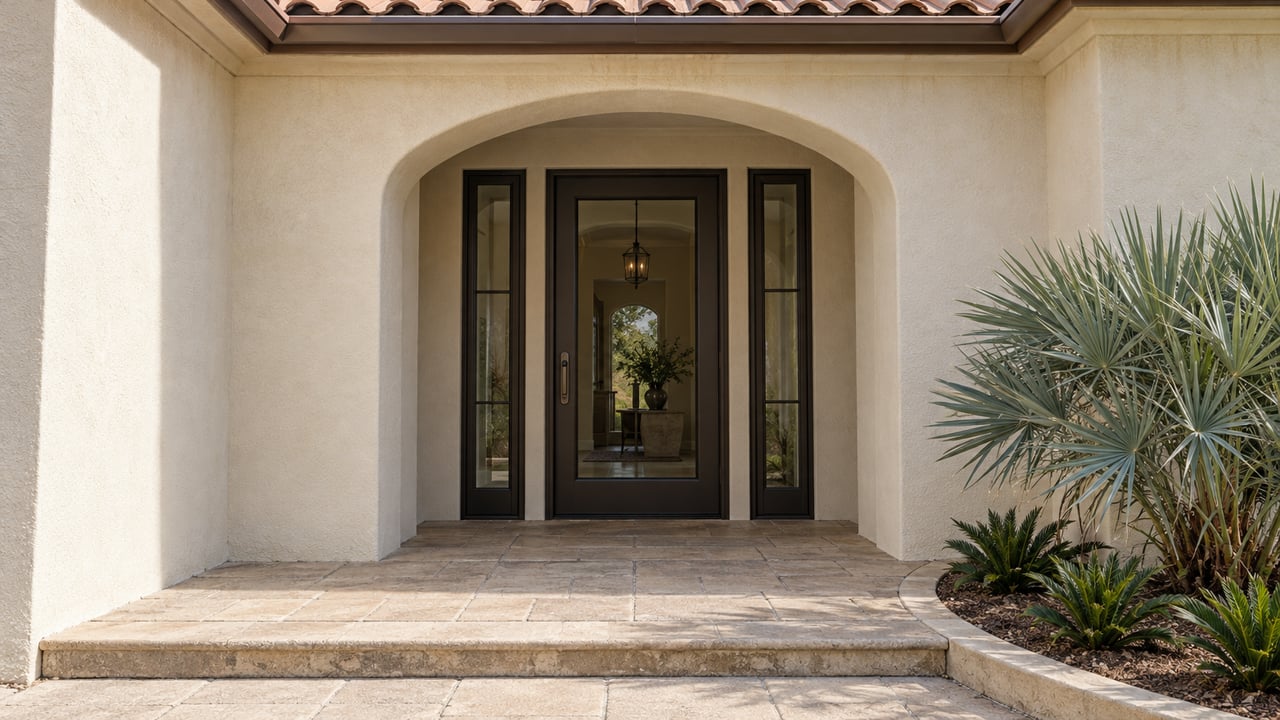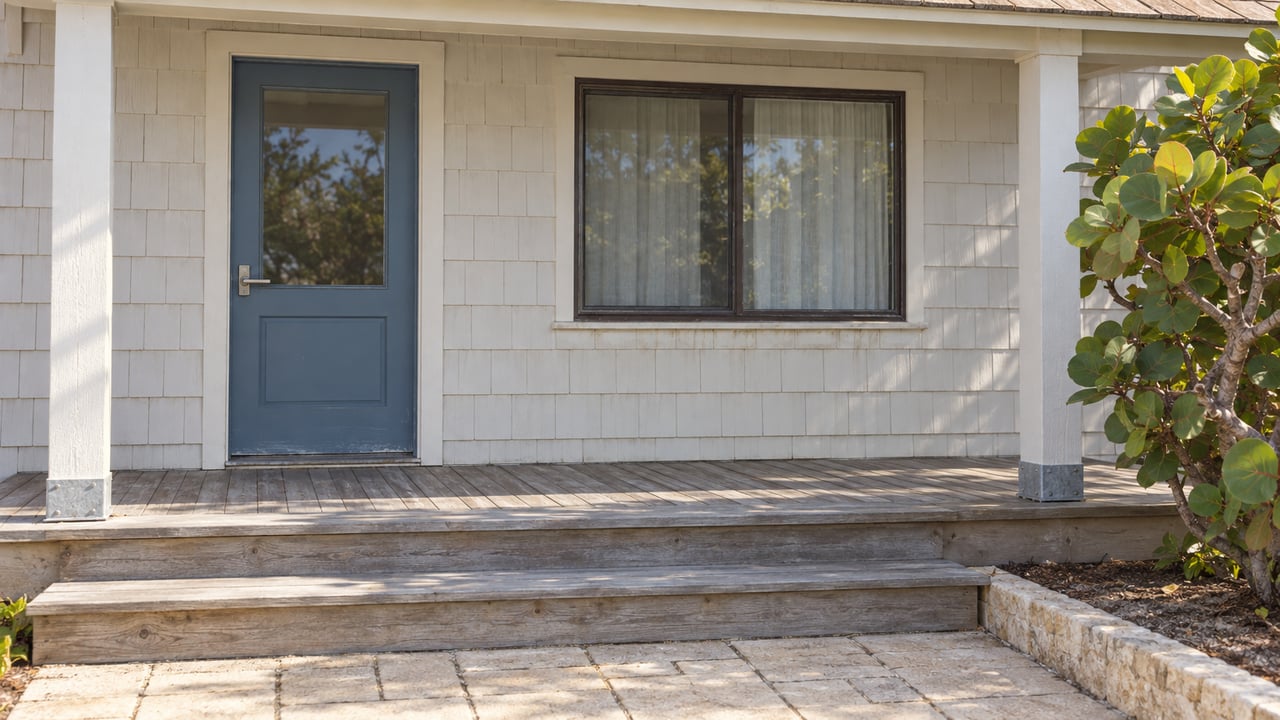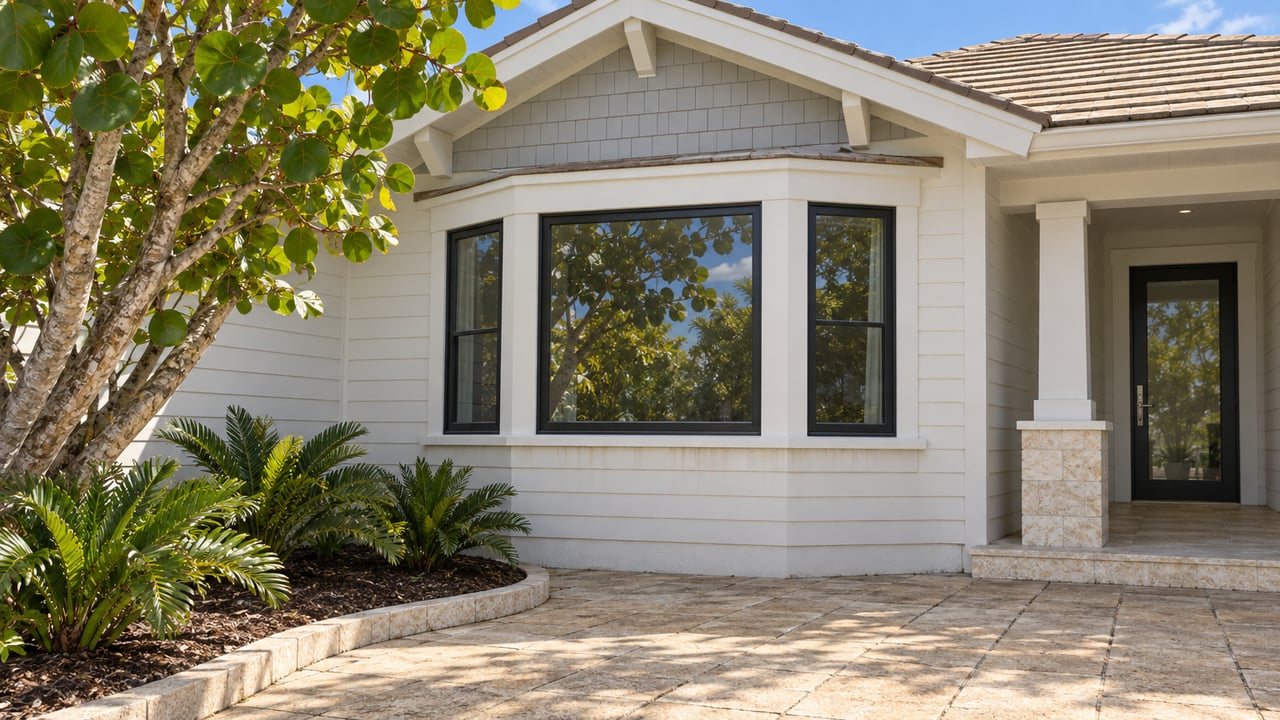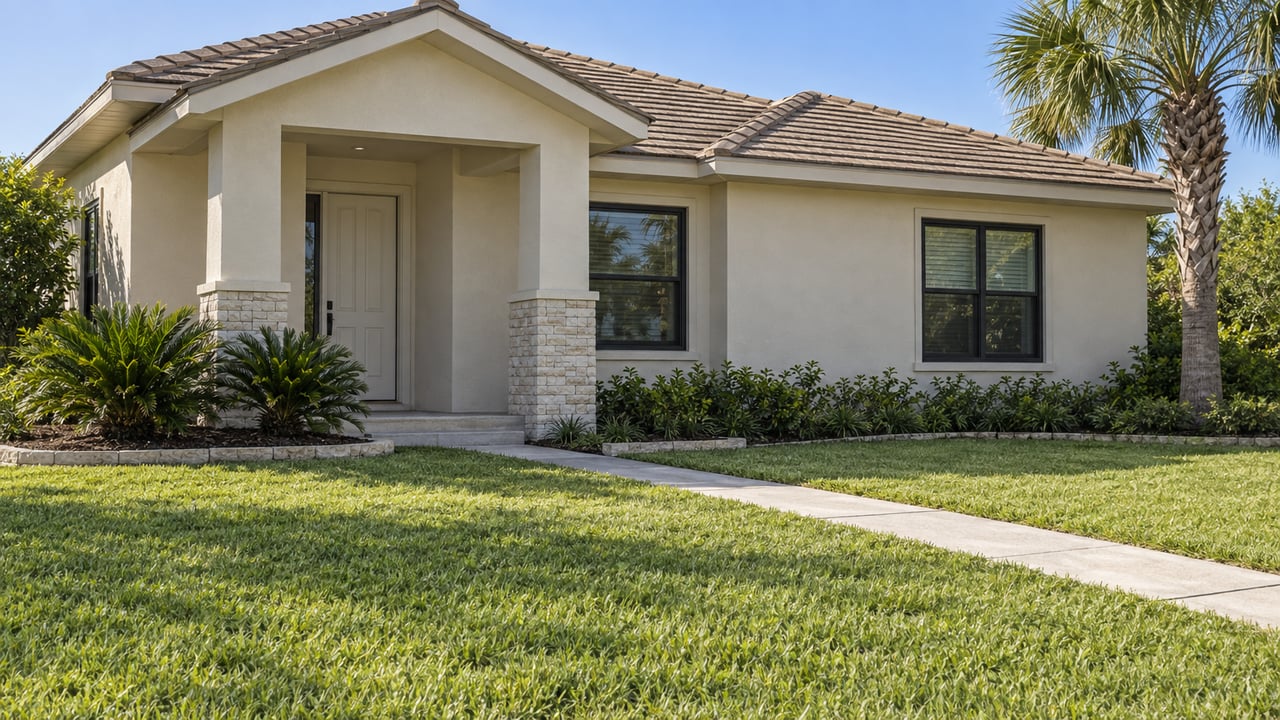
If you’re thinking about buying a condo on Longboat Key, it helps to know that not all island condo living feels the same. A unit’s location, building age, association records, and even which county it sits in can all shape your costs and day-to-day experience. The good news is that once you know what to look for, you can shop with much more confidence. Let’s dive in.
Why Longboat Key Condo Living Stands Apart
Longboat Key is a barrier island between the Gulf of Mexico and Sarasota Bay, and it spans both Manatee and Sarasota counties. That small detail matters more than many buyers expect because county location can affect taxes, some services, and evacuation planning.
The town’s housing pattern also makes condo shopping here different from many mainland searches. According to town planning data published in March 2024, about 66% of housing units are multifamily, only 3.8% of land acreage is vacant, and most homes were built between 1970 and 1999.
In simple terms, Longboat Key is largely built out. That means you’ll usually be comparing established condo communities rather than browsing a long list of brand-new developments.
Expect Established Buildings, Not Endless New Construction
Because most of the housing stock is older and the island has very little vacant land left, many buyers will see a mix of low-rise, mid-rise, and taller coastal condo buildings. Some properties have been rebuilt or updated, but much of the market still reflects earlier construction eras.
The town’s planning data indicate that newer construction often happens through demolition and replacement of aging structures. For you as a buyer, that means the condition of the building, its update history, and the association’s long-term planning deserve close attention.
An older building is not automatically a problem. It simply means you want to look beyond finishes inside the unit and understand how the property has been maintained over time.
Gulf Side vs Bay Side
Gulf-side lifestyle
On the gulf side, buyers often prioritize beach access, views, and a more direct connection to the shoreline. Longboat Key maintains public beach accesses along the island and periodically nourishes its beaches, which supports the beach-oriented character many buyers want.
That said, the town also notes that beaches are not monitored by lifeguards, and residents and visitors are reminded to watch for rip currents. For daily living, gulf-side ownership often means enjoying the beach while also being more aware of coastal conditions.
Bay-side lifestyle
On the bay side, the feel can shift toward bay views, boating access, and proximity to public recreation areas. Bayfront Park is one example, with a recreation center, courts, playground, dog park, and parking for a public beach access across the street.
If you like the idea of water views without centering every decision on direct beach frontage, bay-side condos may deserve a close look. The right choice depends on how you want to spend your time once you’re here.
Why Building Age Matters So Much
On Longboat Key, building age is not just about style. It often affects maintenance planning, inspections, reserve funding, and future expenses.
Florida milestone-inspection law applies to condominium and cooperative buildings that are three stories or higher, and Longboat Key requires milestone inspection reports to be submitted to the Town Building Official. Florida also requires associations to maintain important records such as milestone inspections, structural integrity reserve studies, budgets, insurance policies, financial records, and inspection reports.
For you, this means due diligence should include much more than reading the listing sheet. You want to understand not only what the condo looks like today, but also how the building is preparing for tomorrow.
Monthly Fees Mean More Than Amenities
It is easy to compare condos by monthly dues alone, but that can be misleading on Longboat Key. One association may have lower fees because it offers fewer amenities, while another may have higher fees because it is funding reserves, maintaining waterfront features, or addressing major building needs.
A structural integrity reserve study identifies reserve components, remaining useful life, replacement cost, and a funding schedule. In older coastal buildings, monthly dues often reflect long-term capital planning as much as day-to-day amenity use.
That is why the smartest question is not “How high is the fee?” but “What does the fee cover, and is the association planning responsibly?”
Coastal Costs to Factor In
Longboat Key is in a coastal high-hazard area, and the town says flood and wind criteria are stricter than mainland criteria. The town participates in the National Flood Insurance Program and Community Rating System, and its building division notes 150-mile-per-hour wind-load design and stronger storm-surge resistance in coastal high-hazard areas.
That reality can affect your carrying costs. Insurance, reserves, utilities, and taxes can vary based on the exact location of the condo, the building type, and whether the property is on the Manatee or Sarasota side of the island.
Town water and wastewater service are also part of the cost picture. Before you buy, it helps to review the full monthly and annual ownership cost, not just the mortgage and condo dues.
Exterior Work Can Be More Complex
If you are looking at a gulf-side condo, exterior work may involve added layers of review. The town notes that Florida Department of Environmental Protection permits are required west of the Coastal Construction Control Line, which is roughly all property west of Gulf of Mexico Drive.
This does not mean every project becomes a problem. It does mean exterior renovations, repairs, and future improvements can be more complex than they might be with a mainland condo.
If a building is planning exterior work, ask what has been completed, what is pending, and whether owners should expect additional costs or timelines.
Seasonal Ownership Is Normal Here
Longboat Key has a strong seasonal pattern. Town data show that about 57% of occupied units are seasonal, while about 43% are occupied year-round.
That can shape the feel of a building across the calendar. If you plan to live here full time, you may notice a quieter off-season. If you plan to own seasonally, you may find that many buildings already operate with part-time ownership in mind.
Neither setup is better or worse. It just helps to choose a community that matches how often you expect to be here.
Rental Rules Need a Close Read
If rental flexibility matters to you, do not assume every condo works the same way. The town says rentals under six months must register through its Residential Rental Registry, and owners or vacation management companies must meet safety-inspection and advertising requirements.
The town also has a longstanding ordinance that limits the duration and frequency of short-term rentals on residentially zoned properties. On top of that, each condo association may have its own rental restrictions.
For that reason, rental potential should always be verified at two levels:
- Town rules
- Association rules and governing documents
If you are buying as a part-time owner or investor, this step is essential.
Documents Every Buyer Should Review
Florida law makes condo documents central to ownership. Owners and occupants are governed by the applicable chapter, the declaration, the documents creating the association, and the bylaws.
Associations are also required to maintain official records that can include current rules, budgets, financial reports, insurance policies, reserve studies, milestone information, and inspection reports. These records can tell you a great deal about how the building is run and what future costs may look like.
A strong condo review usually includes these questions:
- How old is the building?
- Has it had a milestone inspection?
- Is there a structural integrity reserve study?
- What does the monthly fee cover?
- Are reserves funded?
- Is a special assessment likely?
- Are there rental restrictions?
- Are there pet restrictions?
- Is the condo on the gulf or bay side?
- Is it in Manatee County or Sarasota County?
Hurricane Planning Is Part of Island Life
On Longboat Key, hurricane planning is not a side issue. The town says all residents are in Level A evacuation zone, hurricane season runs from June 1 through November 30, and residents should decide in advance where they will go if an evacuation is ordered.
If you are buying a seasonal condo, think through what that means for lock-and-leave ownership. You may want a building, routine, and travel plan that make short-notice preparation easier.
This is one more reason to choose a condo based on how you will actually use it, not just how it looks during a showing.
Pet Owners Should Compare Local and Condo Rules
If you have a pet, local regulations are worth checking before you buy. The town says animals are prohibited on beaches, beach accesses, bay accesses, and public parks except Joan M. Durante Park.
That rule is separate from any condo policy. A building may have its own pet limits, approval process, or size and number restrictions, so it is smart to compare both the town rules and the association rules early in your search.
The Bottom Line on Buying a Longboat Key Condo
Buying a condo on Longboat Key can be a great fit if you love coastal living and go in with clear expectations. This is a market shaped by established buildings, seasonal ownership patterns, coastal construction standards, and association-level details that matter.
When you focus on location, county, building age, records, reserves, fees, and rules, you give yourself a much better chance of finding the right condo for the way you want to live. If you want help comparing buildings, reviewing the practical tradeoffs, and narrowing your options along the Sarasota-Manatee coast, reach out to Annie Jordan.
FAQs
What should buyers know about condo age on Longboat Key?
- Most Longboat Key housing was built between 1970 and 1999, so buyers should review maintenance history, milestone inspections, reserve studies, and update plans carefully.
What should buyers know about gulf-side vs bay-side condos on Longboat Key?
- Gulf-side condos often appeal to buyers focused on beach access and shoreline views, while bay-side condos may be a better fit for those prioritizing bay views, boating proximity, or nearby recreation.
What should buyers know about condo fees on Longboat Key?
- Monthly fees can reflect much more than amenities, including reserves, insurance needs, waterfront maintenance, and long-term building planning.
What should buyers know about rental rules for Longboat Key condos?
- Buyers should verify both town rental regulations and the association’s governing documents, because rental limits can exist at both levels.
What should buyers know about hurricane planning on Longboat Key?
- All residents are in Level A evacuation zone, so buyers should have an evacuation plan and consider how storm season fits their full-time or seasonal ownership plans.
What should buyers know about pets in Longboat Key condo communities?
- Buyers should review both town rules and condo pet policies, since local rules prohibit animals on beaches, beach accesses, bay accesses, and most public parks, and associations may add their own restrictions.