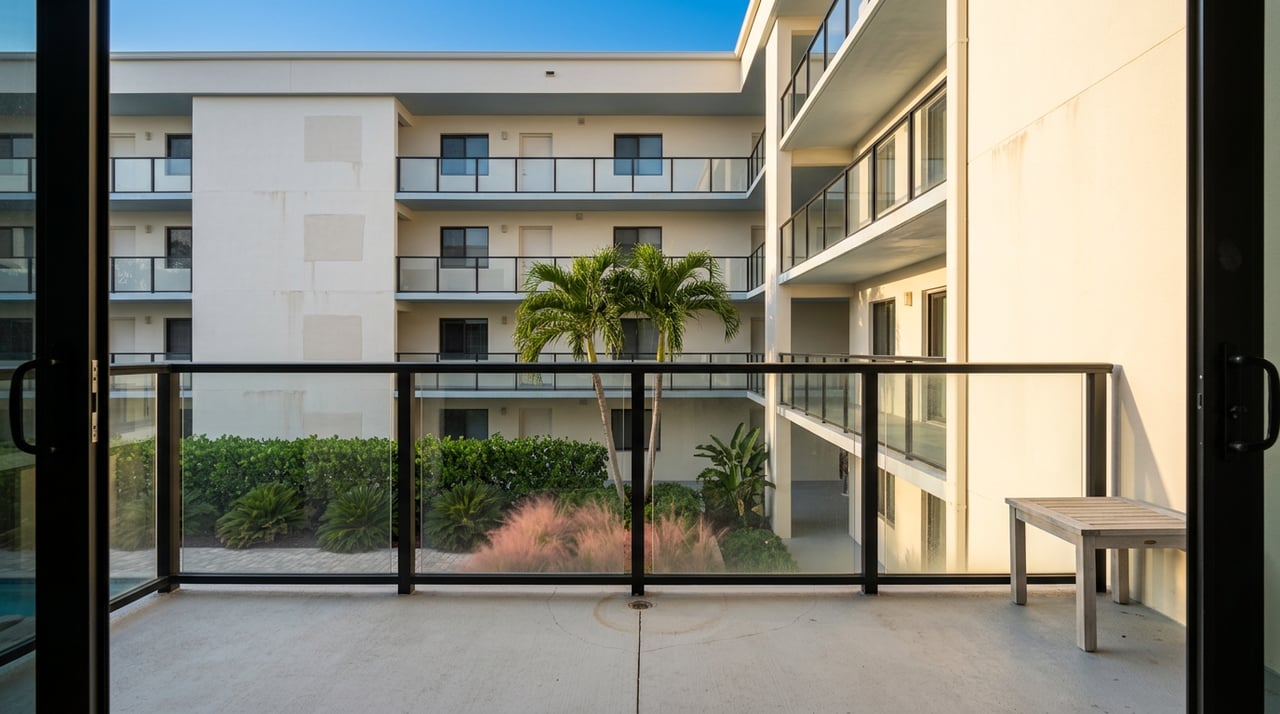
Walk two buildings on Gulf of Mexico Drive, both built in the 1980s, both three stories, both with the same view of the same sand. One association is quietly funding its reserves and mailing out routine notices. The other just sent owners a letter about a special assessment that will run into six figures. Same era, same construction type, same exposure to the same salt air. Completely different bill.
The gap between those two buildings has nothing to do with granite counters or lanai square footage. It comes down to a set of documents most buyers never think to ask for until they are already three weeks into a contract. On Longboat Key in 2026, those documents matter more than the year a building was constructed.
The Building Passed Its Inspection. That's Only Half the Test.
Florida's milestone inspection law exists because of the 2021 Surfside collapse, and the Town of Longboat Key's inspection page says any condo or co-op building three stories or taller must undergo a structural review once it hits 30 years old, then again every ten years after that. According to reporting by Your Observer, 198 buildings on Longboat Key fell under that first deadline. Every one of them passed. The Town's Planning, Zoning and Building Director, Allen Parsons, has described the Town's role as something close to a records keeper: it collects the completed inspection reports, holds onto them, and coordinates with associations if anything needs follow-up. Of those 198 buildings, only two required a deeper Phase Two review, the kind that involves actual testing rather than a visual walkthrough by a licensed engineer.
That is a genuinely reassuring number if you're evaluating whether Longboat Key's older towers are structurally sound. It tells you almost nothing about what your monthly dues will look like five years from now.
A milestone inspection asks one question: is this building safe to occupy right now. It says nothing about whether the association has been setting aside enough money to pay for the next roof, the next round of concrete restoration, or the plumbing riser replacement that most buildings from the 1970s eventually need. That's a separate requirement, and it's the one that actually determines what you'll pay to live there.
The Sister Requirement That Actually Moves the Price
The Structural Integrity Reserve Study, or SIRS, is the paperwork that turns a passing inspection into a real number. According to PropFusion's Florida SIRS guide, a SIRS covers eight structural categories, roof, load-bearing elements, fire protection, plumbing, electrical, waterproofing, windows and doors, plus anything else over a set dollar threshold, and includes a funding schedule for how much money needs to be reserved and by when.
The original deadline for that first SIRS was later extended. The Florida Department of Business and Professional Regulation says House Bill 913 pushed it to December 31, 2025, with one narrow exception: if a building's next milestone inspection is due on or before December 31, 2026, the association can complete both at the same time, but never later than that date. The bigger change buried in that same bill is the one that actually matters to a buyer standing in a unit today. For any budget adopted on or after January 1, 2025, associations can no longer vote to waive or reduce the reserve funding a SIRS identifies. Before that, reserve funding rules were different.
David Novak, who manages more than 900 residential units on the island through Longboat Private Services, put it plainly: associations that reserved responsibly all along are prepared, and the ones that didn't are now playing catchup, sometimes at a cost steep enough that it pushes owners to sell. Longboat Key's mayor, Debra Williams, has heard the same thing from residents directly, noting that quarterly payments have climbed because the list of mandatory reserve items grew well past what used to be optional.
Neither of them is describing Longboat Key as a market in crisis. They're describing a market where the bill for deferred decisions is finally coming due, building by building, and the size of that bill depends entirely on choices an association made years before you ever toured the unit.
Three Buildings, Three Eras, Three Different Stories
Look at the southern end of the island and you'll find a compressed version of this whole timeline. Longboat Key Towers went up in 1970. Beaches of Longboat Key followed in 1984. Regent Place arrived in 1995. All three now fall under the milestone inspection cycle, and age determines how often each one gets re-inspected, but age alone doesn't tell you what to expect financially.
A 1970s tower is more likely to be facing cast-iron plumbing riser replacement, a known and well-documented cost in buildings of that vintage. A 1980s building is more likely dealing with concrete spalling and rebar corrosion from decades of salt exposure, the same issue that shows up across Gulf-facing buildings on Longboat Key, Lido Key, and Siesta Key. A 1990s building may look newer on paper but still needs its own SIRS and its own honest accounting of reserves.
None of that is a reason to avoid an older building. It's a reason to stop treating construction year as a proxy for cost and start asking for the actual funding plan.
The Paperwork That Actually Prices the Unit
Before writing an offer on any Longboat Key condo three stories or taller, ask for:
- The most recent milestone inspection report, including a Phase Two report if one was required
- The current Structural Integrity Reserve Study and its funding schedule
- The past two years of board meeting minutes, where special assessments and reserve decisions get recorded
- The current annual budget and reserve breakdown
- The master insurance policy declarations page, including wind and flood deductibles
Read the minutes as closely as the study itself. A building that waived reserves for a decade and is now catching up will show that catch-up cost somewhere in either a rising monthly assessment or a one-time special assessment. Both are legal. Both should be sitting right there in the documents, not something you find out about after closing.
The Clock You're Already On, and Why It Isn't Working Against You
Florida law requires sellers in non-developer condo resales to disclose whether required milestone or SIRS work has been completed, and that disclosure obligation applies to contracts signed after December 31, 2024. Once you have those association documents in hand, you typically get a short rescission window, a matter of business days, to review them and back out if something concerns you.
The good news is that the current Longboat Key and broader Manatee County condo market isn't punishing buyers for taking that window seriously. As of March 2026, Manatee County condo and townhome inventory sat at roughly 7.1 months of supply, with properties taking about 61 days to go under contract and another 105 days to close. That's a measured pace, not a bidding war. You have time to actually request the SIRS, read the minutes, and ask the association hard questions before you're locked in.
A Few Questions Worth Asking Directly
If a building passed its milestone inspection, does that mean no assessment is coming? Not necessarily. A passing inspection means the building is structurally safe today. It says nothing about whether reserves are funded for the roof, waterproofing, or plumbing work that inspection may have flagged as needed down the road. That's what the SIRS and the association's budget will tell you.
Does every condo on Longboat Key fall under these rules? The milestone and SIRS requirements apply to residential condo and co-op buildings three habitable stories or higher. Smaller buildings and single-family properties aren't subject to this framework.
What if an association won't share its SIRS or recent meeting minutes? That reluctance is itself useful information. A board that stalls on providing them is worth a direct conversation before you go further.
The building's age gets you in the door. The paperwork tells you what it actually costs to stay.
If you're comparing specific Longboat Key buildings and want help pulling the milestone report, the SIRS, and the last two years of minutes before you write an offer, Annie Jordan, ThatLakewoodRanchGirl can walk through them with you building by building. And if you already own on the island and are wondering how a pending assessment might affect what your unit is worth today, get your instant home valuation as a starting point for that conversation.
This article is general information, not legal, tax or financial advice. Consult a qualified professional about your situation.