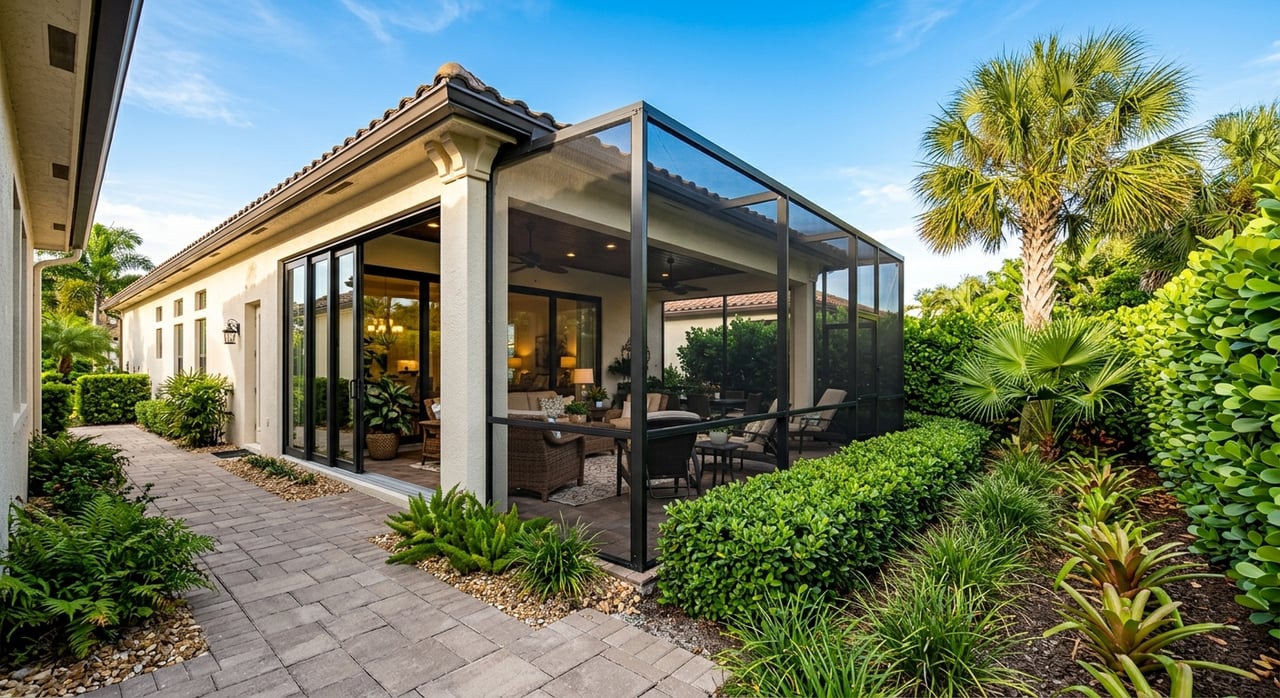
If you leave your Sarasota-Bradenton home empty for part of the year, a simple lock-the-door routine is not enough. Florida heat, humidity, storms, and long vacancy periods can create problems fast, especially when no one is there to catch them early. The good news is that with the right seasonal checklist, you can protect your home, reduce surprises, and come back to a property that is ready to enjoy. Let’s dive in.
Why Sarasota-Bradenton homes need extra planning
Seasonal home care in Sarasota-Bradenton is different from many other markets because the local climate works against an empty house. Warm, humid conditions can lead to mildew, mold, pests, and moisture-related damage if the home is not managed properly while you are away. According to UF/IFAS guidance for seasonal and vacation homes, keeping a Florida home clean and dry is one of the most important ways to prevent avoidable problems.
Storm season is another reason to take a tighter approach. In Florida, hurricane season runs from June 1 through November 30, so timing matters if your property will sit vacant during part of the year. Sarasota County also notes that its 2024 flood map updates do not change evacuation levels, which means flood maps and evacuation zones are not the same thing.
Insurance is a common point of confusion. As FEMA explains, standard homeowners insurance typically does not cover flood damage, so flood coverage usually needs to be purchased separately. Sarasota County and the City of Sarasota participate in the National Flood Insurance Program, which means flood insurance is available to eligible property owners and renters.
Start your checklist three weeks early
UF/IFAS recommends starting your seasonal-home preparation about three weeks before departure. That extra time gives you room to schedule services, update important records, and fix small issues before they become expensive ones.
At this stage, focus on the major systems that affect a vacant Florida home. This includes HVAC performance, moisture control, exterior upkeep, and who will keep an eye on the property while you are gone.
Schedule key services
About three weeks before you leave, UF/IFAS recommends that you:
- Schedule annual HVAC service
- Have the humidistat calibrated
- Review your homeowners insurance policy
- Update your home inventory
- Arrange landscaping maintenance
- Set up pool maintenance if needed
- Identify a trusted friend or relative to check on the home
This is also the time to confirm what your condo or community association handles, if applicable. UF/IFAS notes that some exterior maintenance may already be covered by management, so it helps to verify responsibilities before you pay for duplicate services or miss a gap in care.
Make humidity control the priority
In Sarasota-Bradenton, moisture management is not optional. The Sarasota County mold factsheet says mold thrives above 60% humidity, which is why many seasonal owners leave air conditioning or dehumidification in place while the home is vacant.
If you plan to keep the AC running, UF/IFAS advises setting it no higher than 84°F so indoor humidity does not rise into a mold-friendly range. A closed-up house may look fine when you leave, but uncontrolled humidity can change that quickly.
Two weeks before departure
Two weeks out, shift from planning to prevention. This stage is about making the home look occupied, reducing clutter and moisture sources, and limiting the chance that mold gets a head start while you are away.
Handle mail, timers, and cleaning
UF/IFAS recommends these tasks about two weeks before departure:
- Set light or radio timers
- Forward your mail
- Cancel newspapers and magazines
- Purchase desiccants if you plan to use them
- Begin a fungicidal cleaning routine
That cleaning step matters more than many owners realize. If mold spores are already present when the home is closed up, Florida humidity can help them spread.
One week before departure
Your final week should focus on food, soft surfaces, and moisture-sensitive areas. This is when you want to remove anything that could spoil, attract pests, or trap excess moisture.
Prepare the interior
UF/IFAS recommends that in the last week before leaving, you:
- Clean the refrigerator and freezer
- Eat or discard perishables
- Vacuum upholstered furniture
- Remove indoor and outdoor potted plants
- Clear food from cabinets
- Test any dehumidifier you plan to use
- Place the dehumidifier where it can drain continuously
These are simple steps, but together they lower the odds of coming home to odors, pests, spoiled food, or moisture buildup.
What to do the day you leave
Departure day is when your prep becomes protection. The goal is to secure the property, reduce water and electrical risks, and improve airflow inside the home.
Use this departure-day checklist
UF/IFAS recommends:
- Unplugging unused appliances and electronics
- Turning off or lowering the water heater
- Sealing drains and toilets
- Locking windows and doors
- Leaving interior doors open for circulation
- Setting the alarm
- Setting the AC to recycle on and off if it will remain running
Sarasota County adds several smart storm-readiness steps for seasonal owners. The county advises owners who are evacuating to locate the shutoff valve and turn off the water to reduce damage if a pipe bursts. The county also recommends shutting off irrigation water, turning off pool and water-heater systems according to manufacturer instructions, removing loose outdoor items, and letting friends or family know your plans.
Protect the outside of the property
Outdoor care matters just as much as interior prep in Sarasota-Bradenton. UF/IFAS recommends keeping landscaping trimmed, moving patio furniture and other loose items indoors if they could blow away, and arranging for regular pool service instead of draining the pool.
That last point is especially important. Untreated pool water can become algae-prone, and an empty pool can crack under sun and rain pressure, according to UF/IFAS.
Keep documents and photos in order
If you ever need to file an insurance claim, having records ready can save time and stress. UF/IFAS recommends keeping an up-to-date home inventory along with receipts, serial numbers, appraisals, and clear digital photos stored in a secure place outside the home.
Ready.gov guidance cited in the research also supports keeping insurance policies, identification, and financial records in a secure and accessible location, such as a waterproof container or secure electronic backup. For seasonal owners, digital copies can be especially helpful when you are managing things from out of state.
Build a local support system
One of the smartest moves you can make is treating your home like a system instead of a building you simply lock and leave. That means lining up the right people, knowing who handles what, and making sure someone local can respond if needed.
Prioritize the right vendors
The most useful service categories for a vacant Florida home are:
- HVAC service
- Pool service
- Landscaping and irrigation
- Pest control
- A trusted person who can physically check the property
If repairs are needed, Sarasota County says it is in the owner’s best interest to make sure any contractor is licensed and insured. You can use the county’s Building Division resources to verify local licensing contacts.
Keep one shared home file
A simple coordination system can make a big difference when you are away. Keep these items together in one shared digital file:
- Vendor contact information
- Alarm details
- Shutoff valve locations
- Insurance documents
- Home inventory
- Emergency contacts
It is also smart to sign up for Alert Sarasota County, which sends emergency updates by phone, text, email, or app push. That can help you stay informed even when you are not in Florida.
Know your flood and evacuation information
Many seasonal owners assume flood maps and evacuation zones mean the same thing, but they do not. Sarasota County has clearly stated that the 2024 flood-map update does not affect evacuation levels.
Evacuation levels are based on where the home is located and the type of structure. Sarasota County says that when an evacuation notice is issued, it should be treated as a life-and-safety order. The county also states that all mobile-home, RV, and boat residents must evacuate regardless of level, and that bridges may close as conditions worsen. You can review Sarasota County’s guidance on evacuation levels and notices before storm season begins.
Reopening your home when you return
Coming back is not just a matter of turning everything on. After a long vacancy, your first job is to make sure the property is safe and dry before settling back in.
Start with safety
FEMA advises that if a home has been closed for more than 48 hours, you should open doors and windows to air it out before spending extended time inside. If the home experienced flooding or high humidity, assume mold may be present until you confirm otherwise.
During your first walk-through, look for:
- Downed power lines
- Gas smells
- Sagging ceilings or floors
- Standing water
- Pests
FEMA also advises turning off the main electrical power and water systems until they can be confirmed safe if you suspect damage.
Check food and appliances first
If the home was unattended during a storm or outage, check your refrigerator and freezer right away. UF/IFAS recommends the freezer ice-cube test: if ice melted and refroze into a solid block, the home may have lost power long enough that refrigerated and frozen food should be discarded.
Address mold and moisture quickly
If you notice a musty smell, visible moisture, or signs of mold, act quickly. The Sarasota County mold factsheet says the first step is to reduce humidity and fix any leaks. If mold is recurring or widespread, the factsheet recommends working with a licensed professional.
Document any damage
If you find storm or flood damage, document it before cleanup when it is safe to do so. FEMA guidance recommends taking photos and creating a list of losses, which can support insurance claims and repair planning.
Peace of mind comes from a repeatable routine
Owning a seasonal home in Sarasota-Bradenton can be incredibly rewarding, but peace of mind usually comes from preparation, not luck. When you start early, control humidity, line up local help, and use county tools for alerts and evacuation information, your home is much easier to manage from near or far.
If you are planning to buy, sell, or prepare a seasonal property in the Sarasota-Bradenton area, working with a local expert can help you think through not just the purchase, but the practical side of ownership too. If you want guidance tailored to your goals, connect with Annie Jordan.
FAQs
When should you start preparing a seasonal home in Sarasota-Bradenton?
- UF/IFAS recommends starting about three weeks before you leave so you have time to schedule HVAC service, review insurance, arrange maintenance, and prepare the home properly.
Does homeowners insurance cover flood damage for Sarasota-Bradenton homes?
- Usually not. FEMA says standard homeowners insurance typically does not cover flood damage, so flood insurance is generally handled separately.
Are Sarasota flood maps the same as evacuation zones?
- No. Sarasota County says the 2024 flood-map changes do not affect evacuation levels, so flood maps and evacuation zones should not be treated as the same thing.
What air conditioner setting is recommended for a vacant Florida home?
- UF/IFAS advises that if you leave the AC running, it should be set no higher than 84°F to help keep humidity from reaching mold-friendly levels.
What should seasonal homeowners in Sarasota-Bradenton do when returning after a long absence?
- Open the house to air it out, check for hazards like standing water or sagging ceilings, inspect food safety, look for mold or moisture issues, and document any damage before cleanup if it is safe to do so.
How can out-of-state owners monitor a Sarasota-Bradenton home more effectively?
- A strong plan includes a trusted local check-in person, organized vendor contacts and shutoff information, and registration for Alert Sarasota County to receive emergency updates while you are away.